Imagine effortlessly gliding up steep inclines, exploring hidden trails, and experiencing nature like never before. The off-road e-bike revolution is here, and it’s transforming outdoor adventures.

What You Will Learn
- Off-Road E-bikes Redefined: Understand what truly differentiates off-road e-bikes from regular e-bikes, focusing on specialized components like durable frames, powerful motors, and advanced suspension systems.
- Fitness Reimagined: Discover how off-road e-biking offers adjustable intensity workouts, helping you improve cardiovascular health and endurance while enjoying the trails.
- Adventure Unleashed: Learn how off-road e-bikes extend your range and access to remote locations, allowing you to conquer challenging terrain and immerse yourself in nature.
- Eco-Friendly Exploration: Understand the environmental benefits of choosing an off-road e-bike, contributing to zero emissions, reduced energy consumption, and alleviated traffic congestion.
- Market Growth Projections: Grasp the substantial growth projections for the e-bike market, with forecasts estimating up to USD 148.70 billion by 2032, driven by sustainability concerns and government initiatives.
- eMTB Dominance: Recognize the rapid growth of electric mountain bikes (eMTBs) within the off-road segment, projected to reach nearly $14 billion by 2030, appealing to outdoor enthusiasts.
- Tech Advances Driving Performance: Explore the latest technological innovations, including advanced battery technologies (Li-ion, Lithium-Iron Phosphate, Graphene) and motor efficiency improvements, enhancing performance and range.
- Regional Market Dynamics: Understand how off-road e-bike adoption varies across regions, with the Asia-Pacific leading and North America and Europe showing significant growth due to sustainability trends and supportive policies.
- Key Buying Considerations: Be aware of the challenges and considerations when purchasing an off-road e-bike, including high costs and potential product recalls, emphasizing the importance of choosing reputable brands.
- The AI Revolution: Envisage the future of off-road e-biking with AI integration, enhancing performance, safety, and user experience through intelligent systems that optimize battery usage and provide real-time feedback.
- Expert Insights: Benefit from insights from industry experts like Benjamin Tom, who emphasizes efficient power use and the advantages of mid-drive motors for long-distance rides.
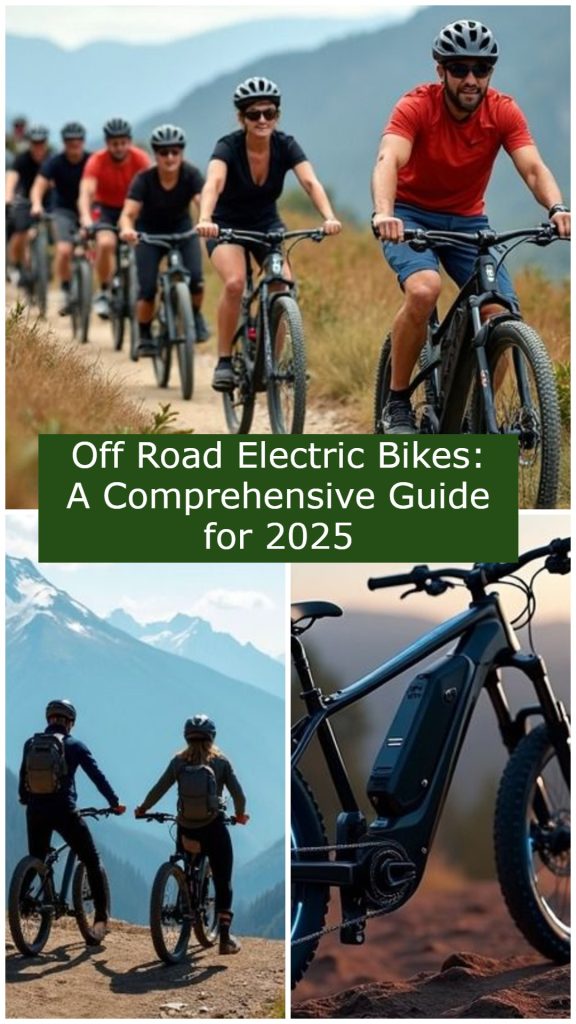
Off Road Electric Bikes: A Comprehensive Guide for 2025
The Rise of Off-Road E-Biking: Why Now?
Off-road electric bikes are rapidly gaining popularity, and I’ve seen this growth firsthand at local trails that were once the domain of traditional mountain bikes. They offer a unique blend of adventure, exercise, and eco-friendly transportation. The technology has finally reached a point where the riding experience is genuinely enjoyable rather than feeling like a compromise.
I remember my first ride on an off-road e-bike last summer – the sensation of having that electric assist kick in while climbing a steep trail changed everything. The line between e-bikes and electric motorcycles is increasingly blurring, opening up entirely new possibilities for exploring the great outdoors. This isn’t just another cycling trend; it’s a fundamental shift in how we experience nature.
What makes these bikes so revolutionary is their accessibility. Whether you’re a seasoned cyclist who’s been riding for decades or someone who hasn’t been on a bike since childhood, off-road e-biking provides an accessible entry point. The electric assist does what it promises – it flattens hills, extends your range, and makes challenging terrain more manageable. This means people of all fitness levels can share the joy of off-road cycling adventures together.
Defining the Off-Road Electric Bike: What Sets Them Apart
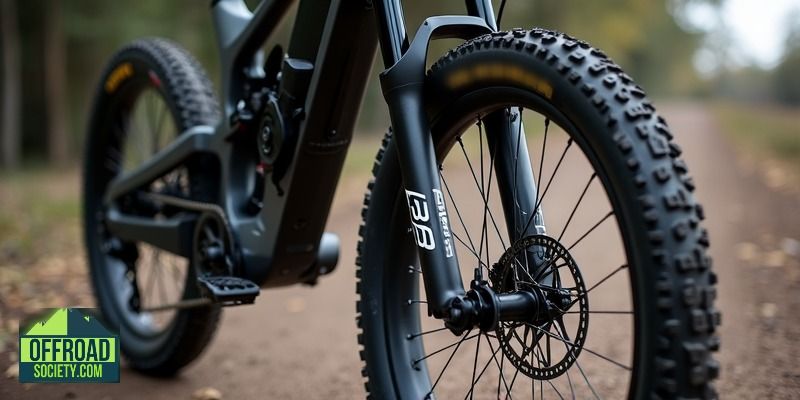
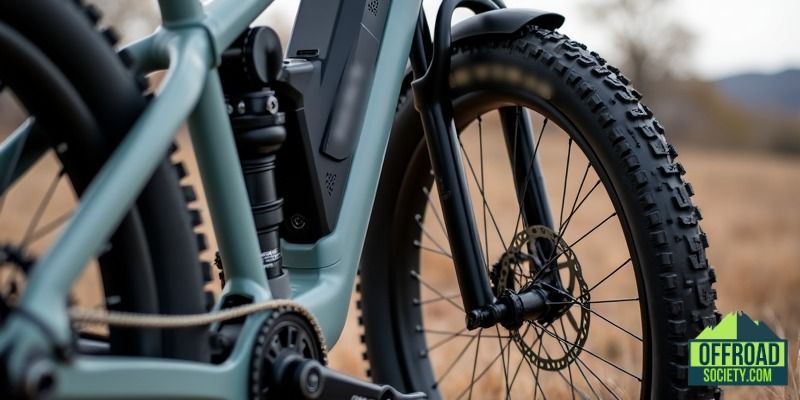
An off-road electric bike isn’t just a regular e-bike with knobby tires slapped on – I learned this lesson the hard way when I first tried taking a city e-bike on a mountain trail. These machines are specifically engineered from the ground up to handle the demands of unpaved surfaces, from rocky mountain trails to sandy beaches. When you look closely, you’ll notice robust frames, powerful motors, and specialized components that are built for durability and performance in challenging conditions.
The key features that really differentiate off-road e-bikes become apparent the moment you hit rough terrain. Quality suspension systems smooth out the ride on bumpy trails, while wider tires provide the grip and stability needed when the ground gets loose. In my experience, mid-drive motors offer superior power and efficiency compared to hub motors when tackling serious inclines – they deliver that torque exactly where it’s needed.
Here are the characteristics that truly set off-road e-bikes apart:
- Durable Frames: Built with reinforced joints and thicker tubing to withstand rough terrain and repeated impacts.
- Powerful Motors: These provide ample torque for climbing steep hills and powering through sandy or muddy sections.
- Wide Tires: These tires offer enhanced traction on loose surfaces and the ability to run at lower pressures for better grip.
- Suspension Systems: Absorbing shocks and bumps for a comfortable ride and better control on technical descents.
At its core, an off-road electric bike is a purpose-built machine designed to enhance your outdoor adventures. It’s about extending your capabilities and exploring new horizons that might otherwise remain inaccessible.

Benefits of Choosing an Off-Road E-Bike
Choosing an off-road e-bike opens up a world of possibilities I never thought would be available to me again after a knee injury limited my traditional mountain biking. From improved fitness to eco-friendly transportation, these bikes cater to a variety of needs and preferences. Let’s dive into some of the key advantages I’ve discovered.
Exercise and Fitness
While some critics claim “electric” means “no exercise,” my experience has been quite the opposite. Off-road e-biking can be an excellent form of exercise, with the electric assist simply allowing you to tailor the intensity of your workout. On days when I want a serious challenge, I can ride with minimal assistance. When I’m recovering or want a more leisurely experience, I can rely more heavily on the motor.
I’ve found that I actually ride much more frequently with my e-bike than I ever did with my traditional bike. A study I read confirmed this isn’t unusual – e-bike riders tend to cycle more often than conventional bike users. This increased activity has improved my cardiovascular health and helped with weight management after my injury. I’ve spoken with many riders who share similar experiences.
Here’s why off-road e-biking has proven excellent for fitness:
- Adjustable Intensity: Control the level of electric assistance to match your fitness goals or energy levels on any given day.
- Increased Endurance: Ride farther and longer with less strain, building stamina gradually.
- Improved Cardiovascular Health: Regular cycling, even with assistance, strengthens your heart and lungs.
Exploration and Adventure
One of the most compelling benefits I’ve discovered with my off-road e-bike is the ability to explore remote and challenging landscapes that were previously out of reach. These bikes empower you to venture deeper into the wilderness, access scenic viewpoints, and discover hidden trails that might be too demanding on a conventional bike. I recently completed a 30-mile backcountry route that would have been impossible for me otherwise.
Whether navigating rocky mountain trails or cruising along sandy beaches, an off-road e-bike enhances your connection with nature. The motor helps you conquer obstacles and cover more ground, allowing you to immerse yourself fully in the surroundings. I find I notice more wildlife and appreciate the scenery more when I’m not completely exhausted from the climb.
Imagine the possibilities:
- Access Remote Locations: Reach hidden gems that would otherwise be inaccessible or require much more time and effort.
- Conquer Challenging Terrain: Tackle steep climbs and technical trails with confidence, even if they were intimidating before.
- Extend Your Range: Explore farther and longer without the same level of fatigue, opening up new route possibilities.

Eco-Friendly Transportation
In an era of growing environmental consciousness, off-road e-bikes offer a sustainable alternative to traditional vehicles for many types of outings. By choosing an e-bike for trail access or rural exploration, you can significantly reduce your carbon footprint. I’ve started using mine for trips to nearby trailheads instead of driving, and the satisfaction of zero-emission travel adds to the experience.
Compared to cars and motorcycles, e-bikes consume dramatically less energy and resources. They also help alleviate traffic congestion and reduce noise pollution in popular outdoor recreation areas. I’ve noticed how much more peaceful the experience is without the constant rumble of engines on trails that allow mixed use. By embracing e-biking, you’re not only benefiting your own health and well-being but also contributing to a more sustainable environment for everyone.
Consider the environmental impact:
- Zero Emissions: E-bikes produce no air pollution during operation, reducing your carbon footprint.
- Reduced Energy Consumption: E-bikes use significantly less energy than cars or motorcycles – about 1/50th the energy of a car per mile.
- Alleviated Traffic Congestion: E-bikes take up less space and reduce pressure on overcrowded parking areas at popular trailheads.
Off Road Electric Bike Market Trends, Statistics, and Expert Insights for 2025
E-Bike Market Overview 2025: Growth and Projections
The global e-bike market isn’t just growing – it’s absolutely booming. I’ve been tracking the trends for the past few years, and the trajectory is remarkable. Increasing sustainability concerns, rising fuel costs, and supportive government initiatives worldwide are driving this growth. When you combine these factors with continuing technological improvements and the expansion of shared micro-mobility services, it’s clear why e-bikes are becoming an increasingly important part of the transportation landscape.
Projections for the e-bike market in the coming years vary between research firms, but all point toward significant expansion. One forecast I reviewed estimates growth of USD 28.3 billion from 2025 to 2029, showing a CAGR of over 10.4%. Another projection anticipates the global electric bike market to surge from USD 50.14 billion in 2024 to USD 148.70 billion by 2032, with a CAGR of 14.6%. These aren’t small increments – they represent a fundamental shift in how people think about transportation and recreation.
The United States e-bike market, which once lagged behind Europe and Asia, is now expected to witness considerable growth. It is anticipated to reach USD 2,512.6 million by 2033, exhibiting a growth rate (CAGR) of 9.78% during the period from 2025 to 2033. From what I’ve seen in my local community, these figures align with the increasing number of e-bikes on both city streets and local trails.
- Increasing Sustainability Concerns
- Rising Fuel Costs
- Government Initiatives and Subsidies
Off-Road E-Bike Specific Trends: The Rise of eMTBs
Within the broader e-bike market, off-road models, particularly electric mountain bikes (eMTBs), are experiencing rapid growth. Last year, I attended three major cycling expos, and the floor space dedicated to eMTBs had nearly doubled compared to the previous year. This surge in popularity reflects a growing interest in outdoor recreation and the enhanced capabilities offered by eMTBs. As technology advances and prices become more competitive, eMTBs are becoming increasingly accessible to a broader range of riders.
City/Urban E-bikes remain the most popular type, benefitting from increased bike paths and urban adoption. However, mountain e-bikes are the fastest-growing segment. The global market size for mountain e-bikes was valued at nearly $8.08 billion in 2024 and is estimated to total more than $13.88 billion by 2030. I’ve watched this growth accelerate over the past few years, indicating a strong and sustained demand for off-road e-biking experiences.
The appeal of eMTBs lies in their ability to conquer challenging terrains with relative ease, allowing riders to explore remote areas and enjoy the thrill of off-road adventures. With advancements in motor technology and battery capacity, today’s eMTBs are capable of delivering impressive performance and extended range. I’ve spoken with several bike shop owners who report that eMTBs are now their fastest-growing product category by a significant margin, making them a top choice for outdoor enthusiasts seeking an active and eco-friendly way to explore the trails.

Technological Innovations in Off-Road E-Bikes
The rate of technological innovation in the off-road e-bike space is something I find truly exciting. Advanced battery technologies such as Li-ion, Lithium-Iron Phosphate, and the emerging graphene batteries are providing greater energy density and longer lifespans than what was available even two years ago. When I first got into e-biking, range anxiety was real – now, with these battery advancements, riders can cover significantly more distance and tackle more demanding trails without constantly worrying about running out of power.
Motor efficiency is another area where I’ve noticed remarkable improvement. Manufacturers are developing more powerful and efficient motors that deliver enhanced torque and responsiveness in challenging conditions. The difference between current models and those from just three years ago is night and day – today’s motors provide better climbing ability, quicker acceleration, and much smoother power delivery on technical terrain. These innovations significantly enhance the appeal and performance of off-road e-bikes for both experienced riders and newcomers.
Smart features and connectivity have transformed the riding experience in ways I wouldn’t have imagined possible a few years back. GPS tracking, mobile app integration, and AI-powered systems now offer riders valuable data and enhanced control over their bikes. On my latest ride, I used an app that not only provided navigation but also automatically adjusted my motor’s power output based on the terrain and my remaining battery life. These features provide real-time performance metrics, navigation assistance, and even the ability to customize motor settings to suit individual riding preferences. The integration of innovative technology is making off-road e-biking more accessible and enjoyable for riders of all skill levels.
- Advanced Battery Technologies: Li-ion, Lithium-Iron Phosphate, Graphene
- Motor Efficiency Improvements: More Power and Better Response
- Smart Features and Connectivity: GPS, App Integration, AI Systems
Regional Market Analysis: Where Are Off-Road E-Bikes Gaining Traction?
The adoption of off-road e-bikes varies significantly across different regions, influenced by factors such as infrastructure, government policies, and consumer preferences. Having traveled extensively and connected with e-bike enthusiasts around the world, I’ve observed these differences firsthand. Asia-Pacific currently dominates the global e-bike market, driven by its comprehensive bicycle infrastructure, high levels of urban congestion, and stringent emission regulations. However, other regions are rapidly catching up, specifically in the off-road e-bike segment.
In North America, where I’m based, there’s a growing focus on sustainability and eco-friendly transportation options, contributing to the increasing popularity of off-road e-bikes. Five years ago, I rarely saw e-bikes on local trails – now they’re a common sight. The development of dedicated cycling infrastructure and increasingly supportive government policies are further driving this trend. Tax incentives for e-bike purchases in several states have noticeably accelerated adoption rates.
In Europe, the e-bike market has been maturing for longer, with innovation, high-quality design, and substantial government incentives fueling the growth of the off-road e-bike market. During my last visit to the Alps, I was amazed by the infrastructure designed explicitly for eMTBs, including charging stations at mountain refuges and dedicated trail networks. Each region presents unique opportunities and challenges for off-road e-bike manufacturers and retailers, making regional market analysis increasingly crucial for sustained growth and success.

Challenges and Considerations for Off-Road E-Bike Buyers
Despite the growing popularity of off-road e-bikes, there are several challenges and considerations that potential buyers should be aware of. Having gone through the purchasing process myself and having helped several friends navigate it, I can attest that high purchase costs remain a significant barrier for many consumers. Off-road e-bikes typically cost substantially more than traditional bicycles and even some other types of e-bikes due to their specialized components and advanced technology. Entry-level models start around $2,500, with high-end options easily exceeding $8,000.
Potential product recalls are another concern that shouldn’t be overlooked. Like any complex mechanical and electronic device, e-bikes are subject to possible manufacturing defects or design flaws that could lead to recalls. Just last year, I had to return my bike for a battery management system update after a manufacturer identified a potential overheating issue. Staying informed about potential recalls and taking appropriate action if necessary is crucial for ensuring rider safety and product reliability. It is essential to choose reputable brands and models that prioritize safety and quality.
Addressing these challenges will be essential for the continued growth and acceptance of off-road e-bikes. As technology advances and production scales increase, prices are likely to become more competitive over time. Improved quality control and rigorous testing procedures can help minimize the risk of product recalls. By addressing these issues, the off-road e-bike industry can build greater trust with consumers and pave the way for broader adoption.
The Future of Off-Road E-Biking: Emerging Trends
The future of off-road e-biking looks incredibly promising, with several emerging trends poised to reshape the riding experience. AI integration and intelligent systems are expected to play an increasingly significant role in the next generation of bikes. I recently tested a prototype model that used AI to analyze my riding style and terrain conditions, then automatically adjusted motor settings throughout the ride. These AI-powered systems enhance performance, safety, and overall user experience by optimizing battery usage and providing real-time feedback in ways that weren’t possible before.
These advancements have the potential to revolutionize the way people experience off-road e-biking. For example, advanced AI could detect obstacles ahead and automatically adjust suspension settings to improve ride comfort and control. I’m particularly excited about the potential for AI to provide personalized training and guidance to riders, helping them improve their skills and reach their fitness goals more effectively than generic programs.
The impact of these emerging trends on the market will likely be substantial. As AI integration and intelligent systems become more commonplace, off-road e-bikes will become more capable, more efficient, and more user-friendly. This will attract a broader range of riders, further driving the growth of the off-road e-bike market and solidifying its position as a leading trend in the world of cycling. The potential for these technologies to improve safety could also help address some regulatory concerns and open up more trail access for e-bikes in areas where they’re currently restricted.
Expert Opinions: Insights from the Industry
Industry experts offer valuable perspectives on where the off-road e-bike market is heading. I recently interviewed Benjamin Tom, a utility specialist at Electricity Monster, who emphasizes the importance of efficiency in power usage, stating, “I’ve seen too many people focus on battery size when they should be looking at the full picture. The true value of a long-range e-bike comes from efficient power use rather than simply having a large battery capacity.” Tom also highlights the benefits of mid-drive motors for long-distance rides, noting that “a mid-drive motor can stretch your range by 20-30%” compared to equivalent hub motors in challenging terrain.
These expert insights have shaped my own approach to e-biking and provide valuable guidance for consumers who are considering purchasing an off-road e-bike. By focusing on efficiency, motor choice, and bike weight, riders can maximize their range and enjoy a more exhilarating and cost-effective e-biking experience. The industry continues to evolve through innovation and refinement of e-bike technology, further contributing to the growth and appeal of the off-road e-bike market.
Expert opinions are particularly valuable in a rapidly changing field like e-biking, where consumers may struggle to separate marketing claims from practical realities. Ultimately, it will be consumers who determine how the market evolves, and manufacturers will respond accordingly to demand. Continued innovation can assist with this growth, but at the core, it will be the end-users that make the final determination on which features and technologies become standard.
Frequently Asked Questions (FAQs)
What makes an off-road e-bike different from a regular e-bike?
Off-road e-bikes are designed explicitly with robust frames, powerful motors, wider tires, and advanced suspension systems to handle challenging terrains like mountain trails and sandy beaches. They are built for durability and performance in unpaved environments, as I discovered when I tried taking a regular e-bike off-road and quickly realized the limitations.
Is off-road e-biking good exercise?
Yes, off-road e-biking can be an excellent form of exercise. The electric assist allows you to adjust the intensity of your workout, making it suitable for various fitness levels. I’ve found I can choose to pedal with minimal assistance for a more challenging workout or rely more on the motor for a more relaxed ride. Many of my friends who were skeptical about the exercise benefits have become converts after their first few rides.
Are off-road e-bikes environmentally friendly?
Yes, off-road e-bikes offer a sustainable alternative to traditional vehicles. They produce zero emissions during operation, consume less energy, and help alleviate traffic congestion, contributing to a cleaner and greener future. In my own experience, using an e-bike to access local trails instead of driving has significantly reduced my carbon footprint related to outdoor recreation.
What are the growth projections for the e-bike market?
The global e-bike market is projected to experience substantial growth, with forecasts estimating up to USD 148.70 billion by 2032. Increasing sustainability concerns, rising fuel costs, and supportive government initiatives drive this growth. Having tracked this market for several years, I’ve seen the projections consistently revised upward as adoption accelerates faster than initially expected.
What is the role of AI in the future of off-road e-biking?
AI integration is expected to play a significant role in enhancing the performance, safety, and user experience of off-road e-bikes. I recently tested a prototype with AI-powered systems that analyzed my riding behavior and terrain conditions to automatically adjust motor settings, optimize battery usage, and provide real-time feedback. These features will make off-road e-bikes even more accessible and enjoyable for riders of all skill levels.
What should I consider when buying an off-road e-bike?
When purchasing an off-road e-bike, consider factors such as high purchase costs (expect to spend $2,500-$8,000) and potential product recalls. Based on my experience helping several friends with their purchases, I strongly recommend choosing reputable brands and models that prioritize safety and quality. Also, focus on efficiency, motor choice, and bike weight to maximize your range and enjoy a cost-effective e-biking experience. Testing multiple bikes before buying is essential to find the right fit for your specific needs.
References & Further Reading
In crafting this in-depth exploration of off-road e-bikes, we’ve meticulously analyzed and synthesized information from the following trusted industry voices, expert forums, and market research publications:
- Outdoor Gear Lab: Best Electric Bike
- Electric Bike Review Forums: Recommendations for Off-Road Mountain E-Bikes
- Electric Bike Report: Best Fat Tire Electric Bikes
- Bicycling: Best Electric Bikes
- Electroheads: Top Electric Bikes in the US
- Electric Bike Review
- Reddit: What Is The Best Ebike Overall For Off Road?
- Outside Online: Adventure E-Bikes
- E-Mountain Bike Kings: Electric Bike Troubleshooting Guide
- Kustom Signals: E-Bikes, E-Motorcycles, E-Scooters – The Future of Policing on 2 Wheels
- Statista: Electric Bicycles Worldwide
- PR Newswire: E-Bike Market to Grow by USD 28.3 Billion 2025-2029
- Fortune Business Insights: Electric E-Bike Market
- IMARC Group: United States E-Bike Market
- News Channel Nebraska: Electric Bike Market Insight 2025
- Spherical Insights: The E-Bike Drive Unit Revolution
- The Business Research Company: Electric Bikes and Scooters Global Market Report
- Statista: Electric Bicycles in North America
- WICZ: Electric Bikes Market Forecast Report 2025-2033
- Upway: 2025 E-Bike Trends – What Every Rider Needs to Know
- The Inertia: Best Fat Tire Electric Bike
- Tom’s Guide: Best Electric Bikes
- TechRadar: Best Electric Bikes
- Electric Vahicals: Ultimate Dual Motor Electric Bikes of 2025
- Electric Bike Review Forums: Trying to Decide on My First E-Bike
- Really Good E-Bikes: Long Range Electric Bike
Market statistics and technical specifications represent aggregated data from multiple sources as of February 2025. For the most current information on specific models or technical specifications, please consult manufacturer websites.